
In an era defined by acceleration, disposability, and endless cultural churn, two artistic currents are rising as quiet acts of resistance: the Slow Art Movement and the Sustainable Art Movement. Although one movement's concern is with the pace of looking and the other with the ethics of making, together they form a powerful critique of our age of speed and waste. At first glance, slow art and sustainable art might seem like parallel but detached pursuits. Slow Art, as a movement, is about giving time to create, look, or contemplate. Sustainable Art, meanwhile, is about caring for materials, resources, and the environment. Yet both movements ask the same fundamental question: what does it mean to create responsibly in a culture of excess? Both reject hyper-production, resist disposability, and insist that meaning takes time.
The modern economy thrives on novelty. Fashion cycles that once lasted years now turn over in weeks, while streaming platforms release a constant torrent of cultural content. Cultural theorist Anna Tsing notes, "The essence of modern high technology is to consider the world as disposable: use it and throw it away" (Arts of Living on a Damaged Planet, 2017). This culture of endless consumption has seeped into the art world. Collectors flip artworks like stock shares, while young artists feel pressured to produce relentlessly to stay relevant. Depth and durability are too often sacrificed at the altar of speed.
The Slow Art movement emerges as a quiet rebellion. Inspired by the broader Slow Movement, spanning food, travel, and living, artists are prioritizing duration, material integrity, and contemplative experience over market-driven haste. Consider the painstaking textile works of Sheila Hicks, whose pieces can take years to complete, or the serene canvases of Agnes Martin, who sometimes planned for five years before beginning a painting. Both rejected acceleration, creating works of longevity that resist disposability. In 2009, Slow Art Day encouraged museum visitors to spend ten minutes looking at a single artwork. The results surprised even organisers: people reported richer connections, deeper insights, and more lasting impressions. Slowness revealed itself as a path to intimacy between viewer and artwork, an intimacy often lost in today's cultural rush.
At Gallery Les Bois, artists share a commitment to slowness, presence,and sustainability, each interpreting it differently. For Miranda Carter, the process begins not in the studio but in the stillness of cold water swimming, a ritual that clears her mind before she translates that calm into atmospheric landscapes painted with eco-conscious materials. Her works are not depictions of nature but invitations to pause and breathe within it.
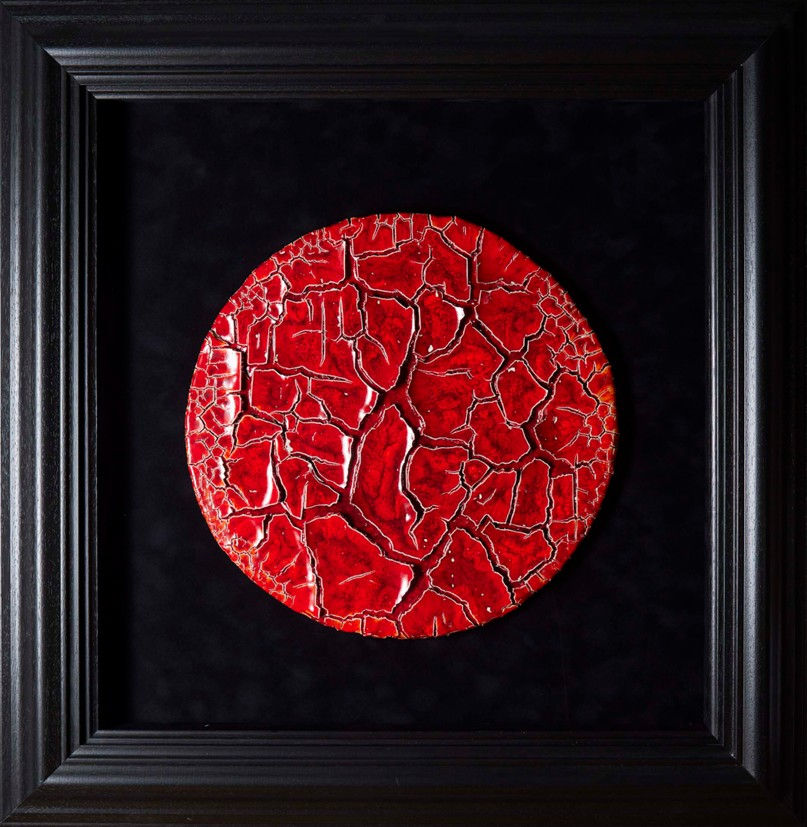
Steve Foster, too, encourages a slowing of pace. His luminous floral paintings capture fleeting plays of natural light, urging viewers to notice fragile marvels that might otherwise pass unseen. In Oliver Akdeniz's ceramics, time is embedded in both form and process. Series such as Pollen Path and Cracked Earth unfold through cycles of forming, drying, firing, and glazing, their symbolic narratives of environmental rhythms asking for the same patience they require to create. The textile works of Sandra Junele and Nicole Young take this ethos into the realm of touch and reuse. Junele transforms recycled yarn waste into minimalist, tactile installations, her slow sorting and reworking of discards embodying sustainability's ethics. Young embraces a "nothing wasted" practice: dyeing thrifted fabrics with natural pigments and reusing materials in a circular rhythm where process and product carry equal weight.
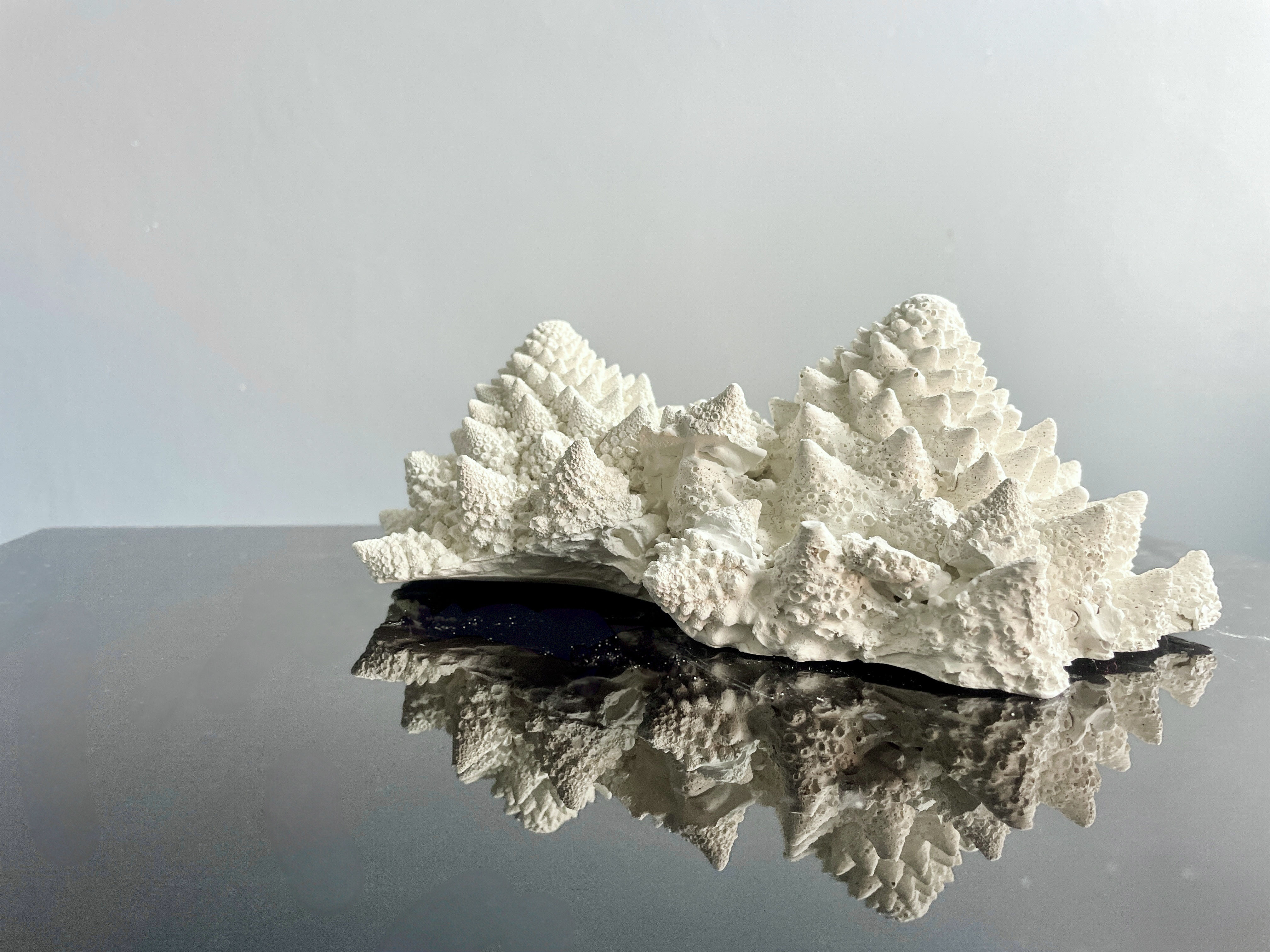
Other artists extend this philosophy into collaboration and innovation. John Sabraw works with scientists to reclaim iron oxide from polluted streams, converting the residue into richly hued paints. Each piece embodies cycles of collection, filtration, and milling, rewarding patient looking with layered colour and surface. Julian Emsley's carved works in salvaged wood likewise honour the history of the material itself. The grain, knots, and textures revealed through patient carving invite tactile attention, echoing the time it took the tree to grow. And in Jasmine Pradissitto's sculptures, science and art meet directly: her use of NOXORB™ , a ceramic that absorbs nitrogen dioxide, turns sculpture into an active environmental agent. The works 'work slowly' even after leaving the studio, their durational impact becoming a literal expression of Slow Art's ethos.
As philosopher Byung-Chul Han observes, "Slowness isn't about nostalgia or retreat, it's about creating the conditions for thought, for care, and for attention. " In a global art economy dominated by fairs, biennales, and spectacle, such conditions are rare. Yet it is precisely in this scarcity that slow and sustainable practices find their power.
Slow art will not halt hyper-production, but it does offer resistance and recalibration. It insists that meaning cannot be mass-produced, that beauty takes time, and that sustainability begins with attention. If art can carve out spaces for sustained engagement through the painstaking craft of an artist or the unhurried gaze of a viewer, it may remind us what culture risks losing in its race toward acceleration.
Together, slow and sustainable art remind us that art's true power lies not in speed but in endurance. They speak a shared language of time and care, an antidote to disposability.
 Live WhatsApp Chat